
8.2
Excellent
No. 1 in the ALCOHOLISM
Alcoholic Cardiomyopathy
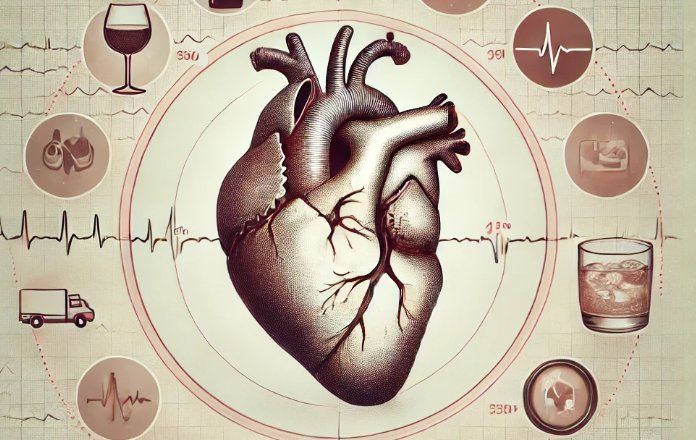
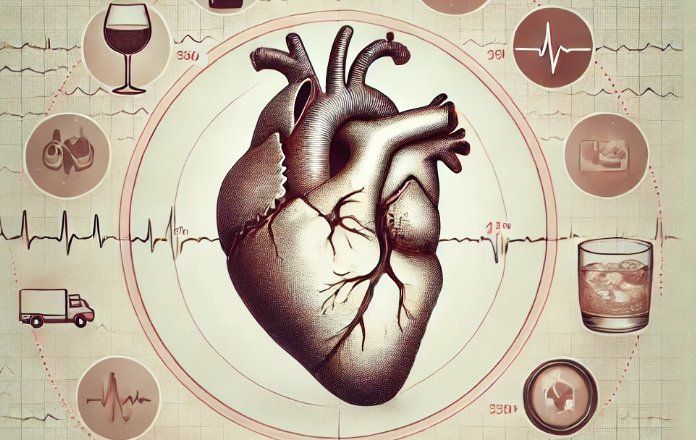
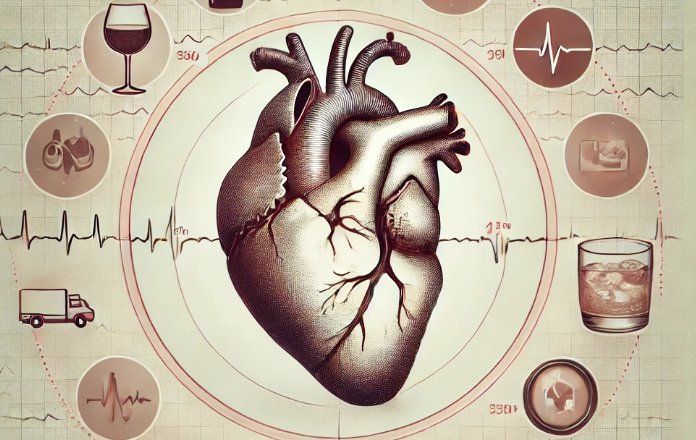
Alcoholic cardiomyopathy is a condition that arises from prolonged and excessive alcohol consumption, leading to significant damage to the heart muscle. This condition weakens the heart's ability to pump blood efficiently, which can result in severe complications, including heart failure. In the medical community, this condition is categorized under ICD-10 code I42.6, which specifically designates cardiomyopathy caused by alcohol use.
Alcoholic cardiomyopathy is a type of dilated cardiomyopathy, where the heart muscle becomes enlarged and weakened due to the toxic effects of alcohol. Over time, the continuous intake of alcohol leads to damage and inflammation of the heart muscle fibers, reducing the heart's capacity to function properly. As the heart's ability to circulate blood diminishes, the entire cardiovascular system is affected, potentially leading to life-threatening consequences.
The symptoms associated with alcoholic cardiomyopathy vary in severity depending on the extent of the heart damage. Common signs include shortness of breath, which can be more pronounced during physical activity or when lying down. Chronic fatigue and weakness are also prevalent, along with noticeable swelling in the legs, ankles, and feet. Patients often experience irregular heartbeats or palpitations, dizziness, and a persistent cough, particularly at night. These symptoms can mimic those of other heart conditions, making accurate medical diagnosis crucial.
To diagnose alcoholic cardiomyopathy, healthcare providers typically begin with a comprehensive review of the patient's medical history, followed by a physical examination and diagnostic testing. An echocardiogram is commonly used to assess the structure and function of the heart, revealing any enlargement or weakening of the heart muscles. An electrocardiogram (ECG) may be conducted to detect abnormal heart rhythms, which are frequently observed in individuals with this condition. Blood tests, which often show elevated liver enzymes and increased levels of B-type natriuretic peptide (BNP), are crucial in confirming the diagnosis and assessing the severity of the heart damage.
Alcoholic cardiomyopathy is particularly dangerous because it often progresses without noticeable symptoms until significant damage has already occurred. By the time symptoms become apparent, the condition may have advanced to a stage where treatment is more challenging. If left untreated, this condition can lead to heart failure, arrhythmias, and even sudden cardiac death.
The primary treatment for alcoholic cardiomyopathy involves the cessation of alcohol consumption. Quitting alcohol can halt further damage to the heart, and in some cases, it can even reverse the effects if the condition is diagnosed early. However, in more advanced stages, treatment may include medications to manage heart failure symptoms, lifestyle modifications, and, in severe cases, consideration of a heart transplant.
The life expectancy of individuals diagnosed with alcoholic cardiomyopathy varies depending on the stage of the disease and their commitment to treatment. Early diagnosis and a strict adherence to medical advice can significantly improve outcomes and quality of life for those affected by this condition. Recognizing the signs early and seeking medical intervention are critical steps in managing alcoholic cardiomyopathy and preventing further health complications.
Ask.Direct will connect to several of the set clients who are ready to help you right now.
Get a response from real customers in 15-30 seconds
Statistics

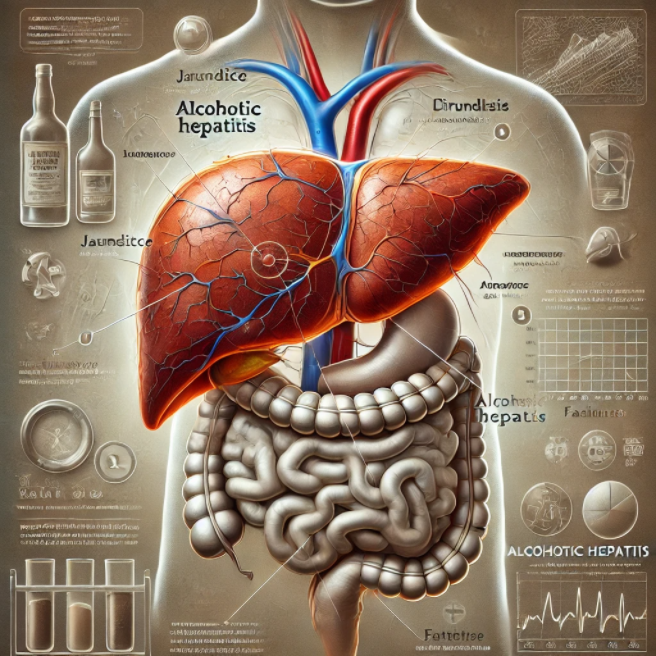

![alcoholic hepatitis vs cirrhosis]() alcoholic hepatitis vs cirrhosis
alcoholic hepatitis vs cirrhosis- history of alcoholic gastritis icd 10
![what signs and symptoms are associated with chronic alcoholism]() what signs and symptoms are associated with chronic alcoholism
what signs and symptoms are associated with chronic alcoholism- chronic alcoholic myopathy treatment
- how to cure alcoholic myopathy
- acute alcoholic gastritis with hemorrhage icd 10
![chronic alcoholism symptoms]() chronic alcoholism symptoms
chronic alcoholism symptoms![sudden death from chronic alcoholism]() sudden death from chronic alcoholism
sudden death from chronic alcoholism![alcoholic polyneuropathy icd 10]() alcoholic polyneuropathy icd 10
alcoholic polyneuropathy icd 10- acute alcoholic myopathy
- alcoholic encephalopathy icd 10
- alcoholic gastritis symptoms
- can alcoholic myopathy be reversed
- can alcoholism cause encephalopathy
- acute alcoholic gastritis
![alcoholic cardiomyopathy symptoms reddit]() alcoholic cardiomyopathy symptoms reddit
alcoholic cardiomyopathy symptoms reddit![does cardiomyopathy show up on ecg]() does cardiomyopathy show up on ecg
does cardiomyopathy show up on ecg![what is alcoholic cardiomyopathy]() what is alcoholic cardiomyopathy
what is alcoholic cardiomyopathy
Build trust in your brand and get new customers

20 000
Ask.Direct requests

1 500 000
Monthly page views

13 000
Completed customer data

7 000
Comments per month

15 000
Likes per month

10 000
Completed polls

Increase your audience, get more active followers
Engage your: audience with expert opinion

Promote your page to the top of reputable brand searches - for free!

Attract new customers to your social networks or channels!

Check out statistics of profile link clicks and content views