
8.2
Excellent
No. 2 in the ALCOHOLISM
Alcoholic polyneuropathy
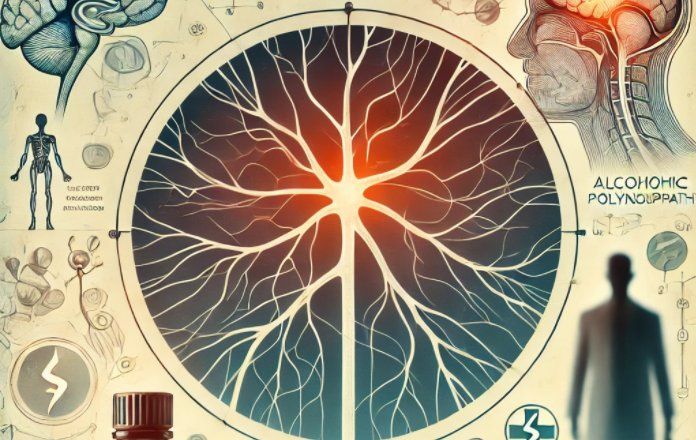
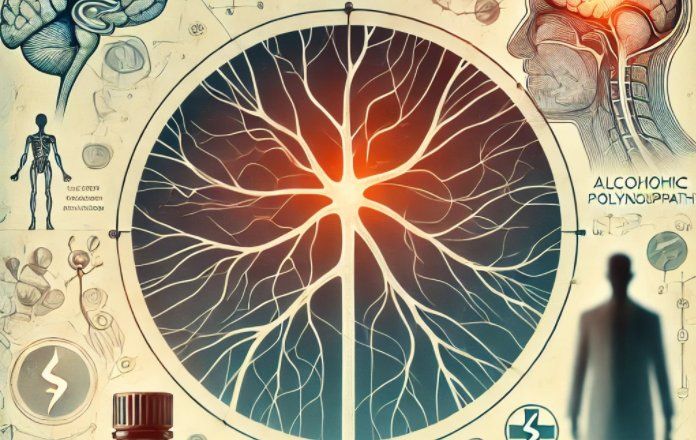
Alcoholic polyneuropathy is a debilitating condition that arises from chronic alcohol abuse, leading to widespread nerve damage, particularly in the peripheral nervous system. This condition manifests as a result of the toxic effects of alcohol on nerve cells and is often exacerbated by nutritional deficiencies, particularly a lack of B vitamins, which are vital for nerve health. Individuals suffering from alcoholic polyneuropathy experience a range of symptoms, including pain, numbness, tingling, and muscle weakness, primarily in the arms and legs. These symptoms can significantly impair daily functioning and quality of life, making early diagnosis and treatment crucial.
The diagnosis of alcoholic polyneuropathy requires a comprehensive approach, including a detailed medical history, clinical examination, and often specialized tests like nerve conduction studies to assess the extent of nerve damage. The condition is classified under the ICD-10 code G62.1, which helps in tracking and managing the disease in clinical settings. Identifying this condition early is essential because the longer the nerve damage continues unchecked, the more difficult it becomes to manage and reverse the symptoms.
The causes of alcoholic polyneuropathy are primarily linked to prolonged exposure to alcohol's neurotoxic effects, which damage the nerve fibers. In addition to direct toxicity, alcohol abuse often leads to poor dietary habits and malabsorption of nutrients, particularly B vitamins such as thiamine (B1), which are crucial for nerve function. This deficiency exacerbates the nerve damage and accelerates the progression of the disease.
When it comes to treatment, the most critical step is the cessation of alcohol consumption. Without stopping alcohol intake, the progression of nerve damage is inevitable, and the condition will continue to worsen. Once alcohol consumption is halted, treatment focuses on managing the symptoms and improving nerve function. This typically involves a combination of medications, nutritional supplementation, and physical therapy. Medications used in the treatment of alcoholic polyneuropathy include pain relievers, such as anticonvulsants and antidepressants, which are effective in managing neuropathic pain. In some cases, stronger pain relief, such as opioids, may be necessary for severe symptoms.
Nutritional support, particularly supplementation with B vitamins, plays a crucial role in the treatment plan. Thiamine (B1), along with other B vitamins, is often administered to help repair nerve damage and prevent further deterioration. Physical therapy is also an important component of treatment, helping to maintain muscle strength and mobility, which can be compromised by the nerve damage associated with the condition.
The prognosis for individuals with alcoholic polyneuropathy varies depending on several factors, including the stage at which the condition is diagnosed and how quickly the patient can implement changes, particularly in terms of alcohol cessation. In early stages, with prompt intervention and comprehensive treatment, patients can experience significant improvements in symptoms and even partial recovery of nerve function. However, in more advanced stages of the disease, where extensive nerve damage has already occurred, the prognosis is less favorable. While complete recovery is rare, the primary goal of treatment is to halt the progression of the disease, alleviate symptoms, and improve the patient’s overall quality of life.
Understanding the definition and implications of alcoholic polyneuropathy is essential for anyone at risk of this condition. Recognizing the signs early, such as persistent numbness or tingling in the extremities, unexplained pain, or muscle weakness, should prompt immediate medical evaluation. A well-structured treatment plan that addresses both the neurological damage and the underlying causes, such as alcohol abuse and nutritional deficiencies, offers the best chance for managing this condition effectively.
While a cure in the traditional sense may not be possible for many patients, especially in advanced stages, significant improvements in symptoms and nerve function can be achieved with the right combination of treatments and lifestyle changes. For many individuals, the journey to manage and live with alcoholic polyneuropathy begins with understanding the condition, committing to sobriety, and adhering to a comprehensive treatment plan that includes medical, nutritional, and therapeutic interventions. With these efforts, patients can often reclaim a significant degree of their lost function and improve their overall quality of life.
Ask.Direct will connect to several of the set clients who are ready to help you right now.
Get a response from real customers in 15-30 seconds
Statistics

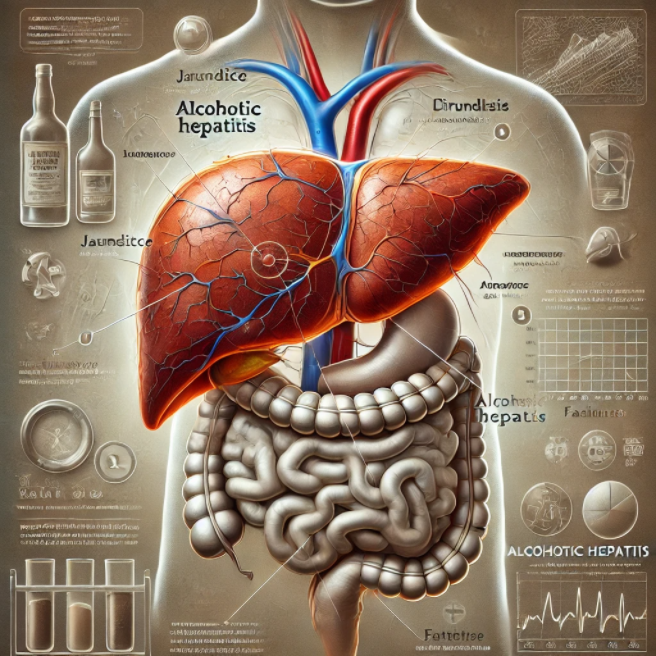

![alcoholic cardiomyopathy causes]() alcoholic cardiomyopathy causes
alcoholic cardiomyopathy causes![alcoholic hepatitis]() alcoholic hepatitis
alcoholic hepatitis- how to cure alcoholic myopathy
![chronic alcoholism death]() chronic alcoholism death
chronic alcoholism death- alcoholic encephalopathy diagnosis
![severe alcoholic hepatitis treatment]() severe alcoholic hepatitis treatment
severe alcoholic hepatitis treatment- alcoholic encephalopathy
- alcoholic encephalopathy icd 10
![chronic pancreatitis due to chronic alcoholism icd 10]() chronic pancreatitis due to chronic alcoholism icd 10
chronic pancreatitis due to chronic alcoholism icd 10![alcoholic cardiomyopathy symptoms]() alcoholic cardiomyopathy symptoms
alcoholic cardiomyopathy symptoms![how is alcoholic cardiomyopathy diagnosed]() how is alcoholic cardiomyopathy diagnosed
how is alcoholic cardiomyopathy diagnosed- what is alcohol induced encephalopathy
![how common is alcoholic cardiomyopathy]() how common is alcoholic cardiomyopathy
how common is alcoholic cardiomyopathy- how long does alcohol myopathy last
![alcoholic cardiomyopathy ecg]() alcoholic cardiomyopathy ecg
alcoholic cardiomyopathy ecg![can you heal alcoholic neuropathy]() can you heal alcoholic neuropathy
can you heal alcoholic neuropathy![alcoholic peripheral neuropathy icd 10]() alcoholic peripheral neuropathy icd 10
alcoholic peripheral neuropathy icd 10![alcoholic polyneuropathy treatment drugs]() alcoholic polyneuropathy treatment drugs
alcoholic polyneuropathy treatment drugs
Build trust in your brand and get new customers

20 000
Ask.Direct requests

1 500 000
Monthly page views

13 000
Completed customer data

7 000
Comments per month

15 000
Likes per month

10 000
Completed polls

Increase your audience, get more active followers
Engage your: audience with expert opinion

Promote your page to the top of reputable brand searches - for free!

Attract new customers to your social networks or channels!

Check out statistics of profile link clicks and content views