

8.2
Excellent
No. 1 in the SMOKING CESSATION
Chronic Smoker's Bronchitis
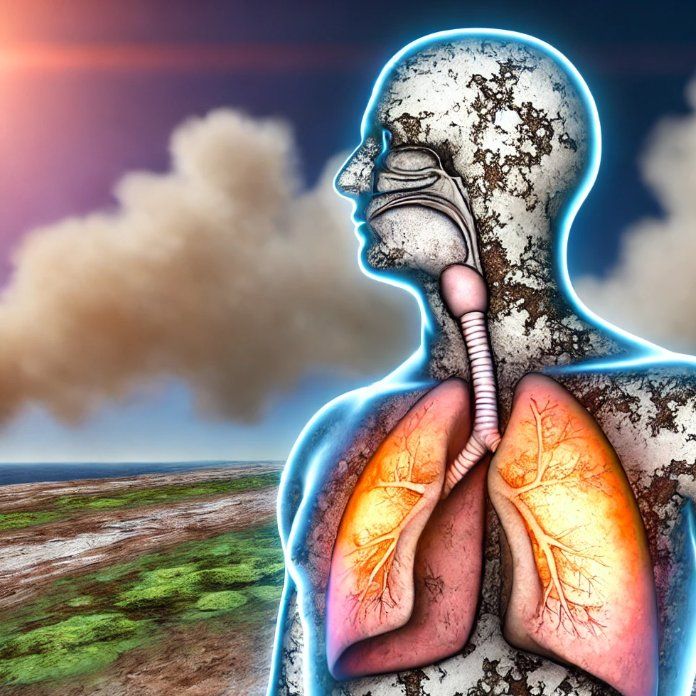
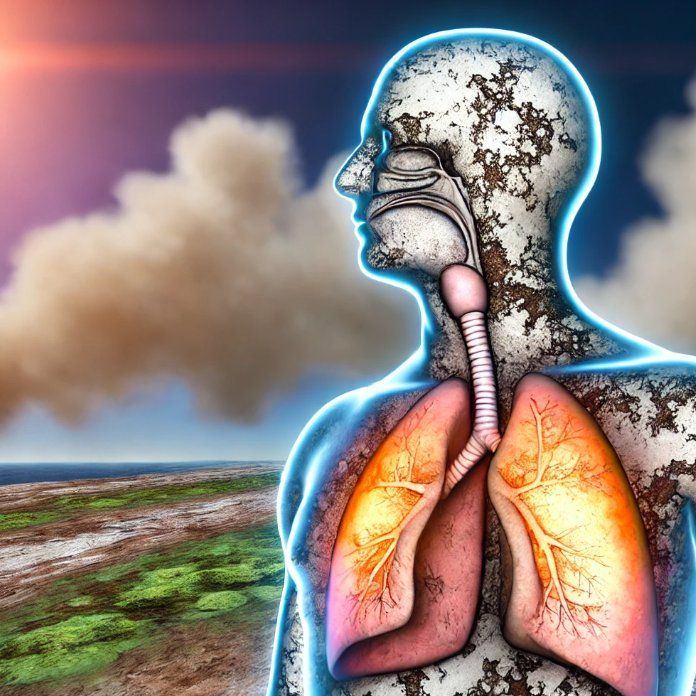
Chronic smoker's bronchitis is a serious respiratory condition that affects individuals with a long history of smoking. This condition is characterized by the persistent inflammation of the bronchial tubes, leading to a chronic cough, production of mucus, and difficulty breathing. Over time, it can significantly impair lung function and quality of life. The most effective way to manage and potentially reverse the effects of chronic smoker's bronchitis is by quitting smoking.
When a smoker continues to smoke while suffering from chronic bronchitis, the inflammation in the airways persists, leading to further damage to the lungs. This ongoing irritation and damage can result in the progression of the disease to more severe forms, such as chronic obstructive pulmonary disease (COPD). Quitting smoking is the most effective way to halt this progression and allow the lungs to begin the healing process. However, the addictive nature of nicotine makes quitting a challenging task.
Chronic smoker's bronchitis leads to the thickening and narrowing of the bronchial tubes, which causes difficulty in breathing and the persistent cough that characterizes this condition. The excess production of mucus further obstructs the airways, making it harder for the lungs to function properly. As the condition worsens, individuals may experience frequent respiratory infections, shortness of breath, and a significant decline in their overall lung function.
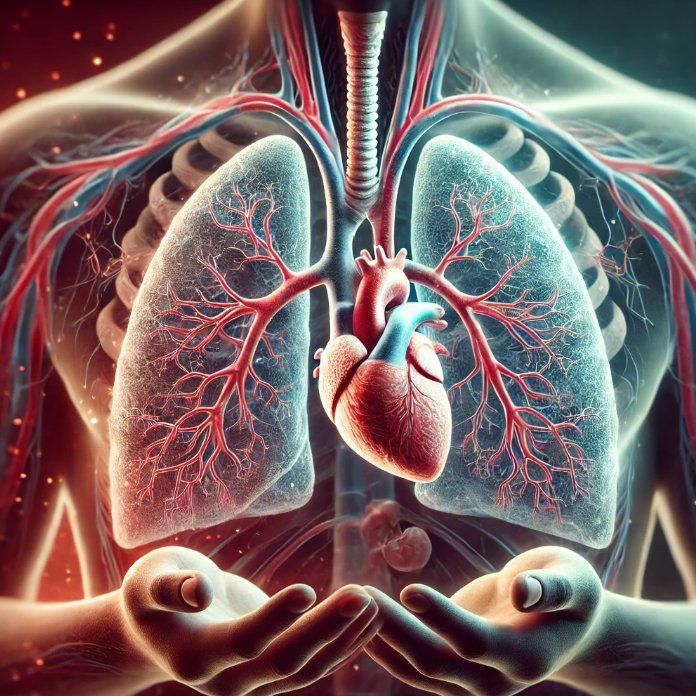
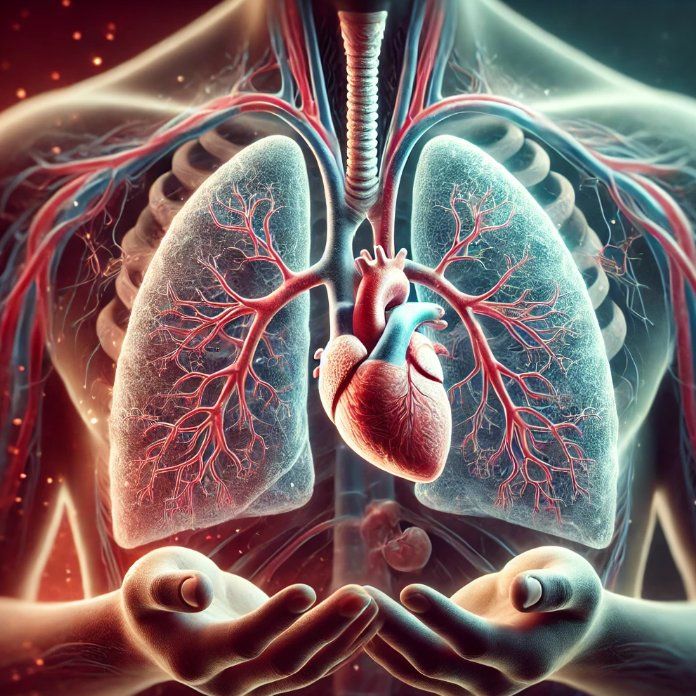
The path to managing chronic smoker's bronchitis begins with a commitment to quit smoking. Once smoking is stopped, the body can start to repair the damage caused by years of tobacco use. The inflammation in the bronchial tubes can gradually decrease, leading to a reduction in symptoms such as coughing and mucus production. Over time, this can improve lung function and overall respiratory health, allowing individuals to breathe more easily and live more comfortably.
In addition to quitting smoking, managing chronic smoker's bronchitis may involve lifestyle changes that support lung health. Regular exercise, a healthy diet, and avoiding exposure to other lung irritants, such as air pollution and secondhand smoke, can help improve respiratory function and overall well-being. Pulmonary rehabilitation programs, which include breathing exercises and physical activity, can also be beneficial in helping individuals manage their symptoms and maintain their lung health.
Furthermore, individuals with chronic smoker's bronchitis should have regular check-ups with their healthcare provider to monitor their lung function and overall health. Early detection of any worsening symptoms or complications can lead to timely interventions that may prevent further deterioration of lung function. In some cases, medications may be prescribed to manage specific symptoms or prevent complications, but the cornerstone of treatment remains smoking cessation.
In conclusion, chronic smoker's bronchitis is a serious condition that requires immediate attention to prevent further damage to the lungs. Quitting smoking is the most effective way to manage this condition and promote the healing process. By committing to a smoke-free lifestyle and making positive changes to support lung health, individuals with chronic smoker's bronchitis can significantly improve their quality of life and reduce the risk of developing more severe respiratory diseases.
Ask.Direct will connect to several of the set clients who are ready to help you right now.
Get a response from real customers in 15-30 seconds
Statistics










Build trust in your brand and get new customers

20 000
Ask.Direct requests

1 500 000
Monthly page views

13 000
Completed customer data

7 000
Comments per month

15 000
Likes per month

10 000
Completed polls


Increase your audience, get more active followers
Engage your: audience with expert opinion

Promote your page to the top of reputable brand searches - for free!

Attract new customers to your social networks or channels!

Check out statistics of profile link clicks and content views