
8.2
Excellent
№5 в категории SMOKING CESSATION
Chronic obstructive pulmonary disease (COPD)
Chronic Obstructive Pulmonary Disease (COPD) is a long-term lung condition that makes it difficult to breathe due to airflow obstruction. It encompasses several respiratory diseases, including chronic bronchitis and emphysema. The condition is characterized by persistent respiratory symptoms and airflow limitation that is not fully reversible. Over time, COPD progressively worsens, significantly impacting the quality of life.
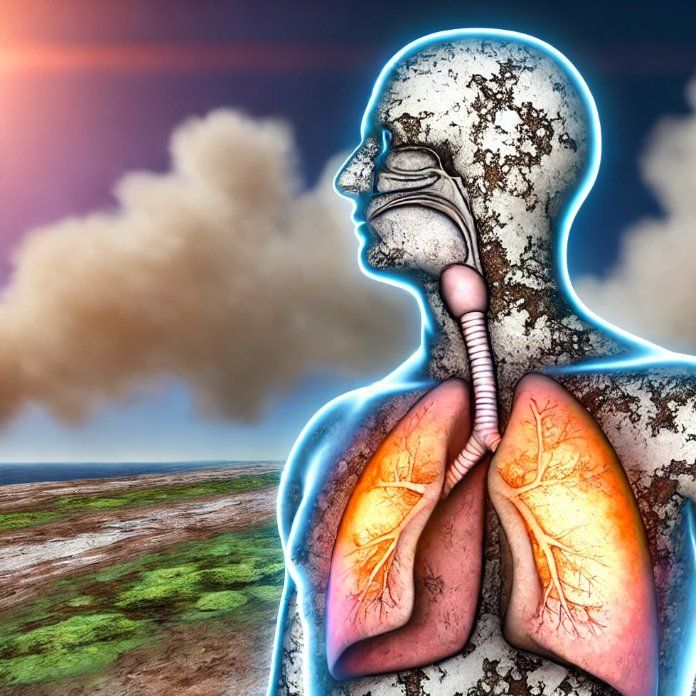
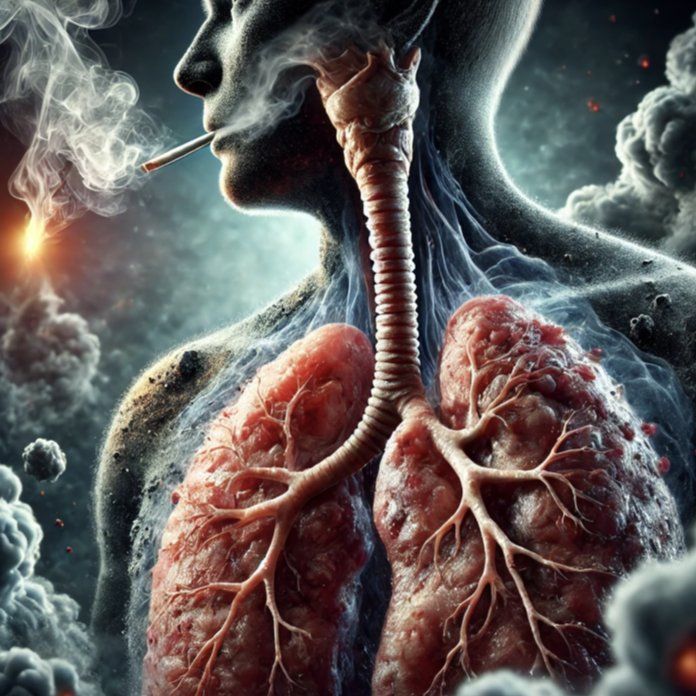
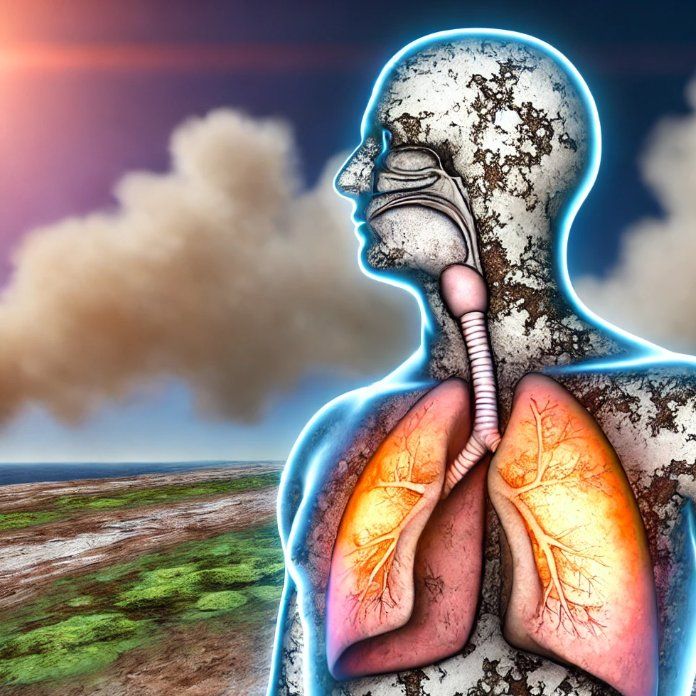
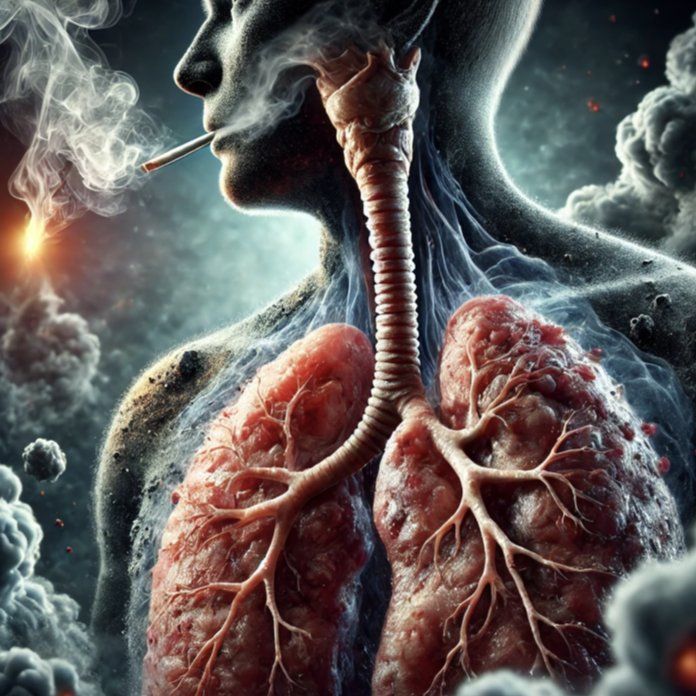
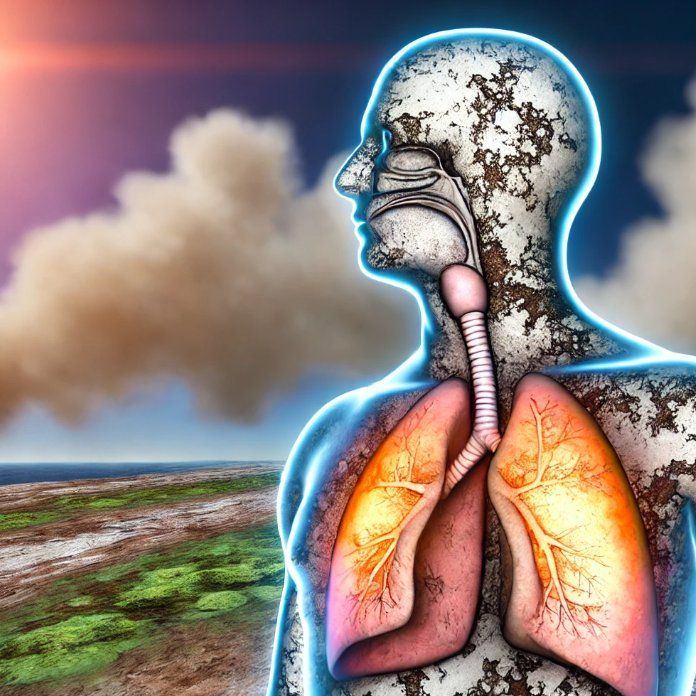
The most common cause of COPD is long-term exposure to harmful substances that irritate and damage the lungs. Smoking is the leading cause, but other factors like prolonged exposure to air pollutants, chemical fumes, and dust can also contribute. A small percentage of cases are due to genetic factors, such as a deficiency of alpha-1 antitrypsin, a protein that protects the lungs.
The symptoms of COPD typically include shortness of breath, chronic cough, and frequent respiratory infections. As the disease progresses, patients may experience wheezing, chest tightness, and increased production of mucus. These symptoms often worsen over time, leading to significant physical limitations and a decreased ability to perform daily activities.
COPD is diagnosed based on a combination of clinical symptoms, patient history, and lung function tests. The ICD-10 code for Chronic Obstructive Pulmonary Disease is often used in medical records to classify the condition and track treatment. J44.9 is the code for unspecified COPD, which is commonly used when the specific type of COPD is not clearly identified.
While COPD is a chronic condition with no cure, there are several treatments available that can help manage symptoms and slow disease progression. Bronchodilators are commonly prescribed to relax the muscles around the airways, making breathing easier. In more advanced cases, oxygen therapy may be necessary to maintain adequate oxygen levels in the blood. This can be especially important during acute exacerbations, where symptoms suddenly worsen.
One of the most effective non-pharmacological treatments for COPD is pulmonary rehabilitation. This comprehensive program combines physical exercise, education, and support to help patients manage their symptoms and improve their quality of life. Physical therapy exercises tailored to individuals with COPD can enhance lung function, increase endurance, and reduce breathlessness.
Oxygen therapy is often recommended for patients with severe COPD, particularly those with low oxygen levels in their blood. It can be administered in various forms, including continuous long-term oxygen therapy or nocturnal oxygen therapy. Studies, such as randomized trials, have shown that oxygen therapy can improve survival rates and reduce hospitalizations in patients with COPD.
Acute exacerbations, or sudden worsening of symptoms, are common in COPD and can be life-threatening. Prompt treatment is essential to prevent further lung damage. Oxygen therapy, along with other interventions, plays a crucial role during these episodes. Understanding the ICD-10 codes for acute exacerbations helps healthcare providers document and manage these events effectively.
Living with COPD requires a comprehensive approach that includes medication, lifestyle changes, and support from healthcare professionals. Patients are encouraged to quit smoking, avoid lung irritants, and engage in regular physical activity to maintain lung function. Education on managing symptoms and recognizing early signs of exacerbations is also critical to improving outcomes.
For non-English speakers, understanding medical terminology is important. For example, COPD in Spanish is referred to as "Enfermedad Pulmonar Obstructiva Crónica (EPOC)." Knowing the correct terminology can help patients and caregivers better navigate healthcare systems and communicate effectively with medical professionals.
While COPD is a challenging and progressive disease, early diagnosis and appropriate treatment can significantly improve the quality of life for those affected. Ongoing research and advancements in COPD treatments continue to offer hope for better management and improved outcomes for patients living with this chronic condition.
Ask.Direct соединит с несколькими из множество клиентов, которые готовые прямо сейчас помочь вам
Получите ответ от реальных клиентов через 15-30 секунд
Статистика








Повысьте доверие к своему бренду и получите новых клиентов

20 000
Ask.Direct обращений

1 500 000
Просмотров страниц в месяц

13 000
Заполненных данных клиентов

7 000
Комментриев в месяц

15 000
Лайков комментариев в месяц

10 000
Опросов законченно


Увеличьте свою аудиторию, получите больше активных подписчиков
Привлекай аудитории используя мнения экспертов

Продвигаем вашу страницу вверх по репутационных брендовым запросам — бесплатно!

Привлекайте новых клиентовв свои социальные сети или каналы!

Отселживай статистику переходов по ссылке профиля и просмотров контента